

Fuel Tech’s advanced FGC technology significantly enhances the performance of Electrostatic Precipitators (ESPs), improving the capture of fly ash and fine particulates. This technology works by injecting sulfur trioxide (SO3), and in some cases ammonia, into the flue gas to optimize ESP operation without increasing emissions of sulfur oxides.
AIR POLLUTION CONTROL
Flue Gas Conditioning (FGC)
Benefits and Features
- Reduces fly ash resistivity
- Improves fine particulate capture, reducing opacity and emissions
- Installation costs reduced by designing modular equipment
- Proven technology installed on over 500 ESPs worldwide
Reducing installation costs by using modular equipment designs
Whenever feasible, Fuel Tech uses a containerized approach for FGC equipment, streamlining installation by minimizing time and costs, and eliminating the need for a separate, dedicated building. The FGC process requires sulfur trioxide (SO3), which is produced by burning elemental sulfur to generate sulfur dioxide (SO2). This SO2 is then converted to SO3 using a catalyst and injected into the flue gas at concentrations typically below 20ppm. A two-pass catalytic converter is used, which offers 95% conversion efficiency to minimize the amount of molten sulfur and external energy required.
Flexible chemical options
Fuel Tech’s FGC technology offers flexibility with two sulfur options: molten sulfur and pelletized dry sulfur. Ammonia systems can operate independently or be combined with sulfur trioxide injection for Dual Flue Gas Conditioning (DFGC). The optimal system for your operation is customized to meet site specific capacity, fly ash conditioning needs and the type of coal burned.
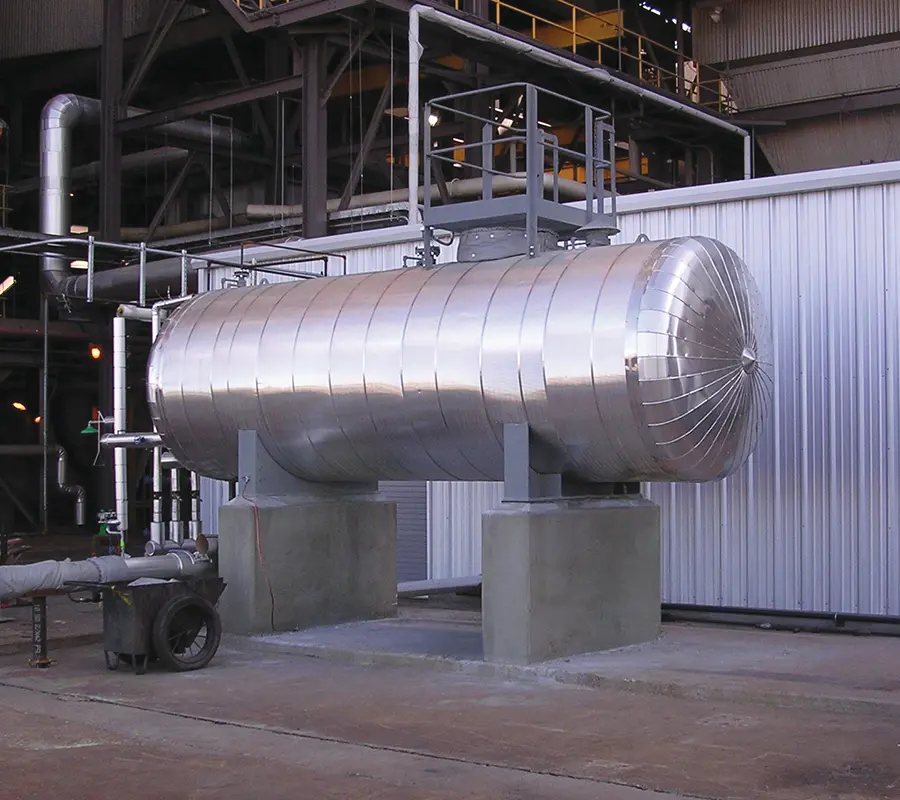
Molten sulfur
Molten sulfur is the most cost-effective and widely used feedstock in the US, typically available in bulk shipments. It is non-hazardous and ensures complete combustion within the sulfur burner. The sulfur is reliably and accurately metered and transferred to the burner, where it is heated to the required temperature using plant steam or a small electric steam boiler.
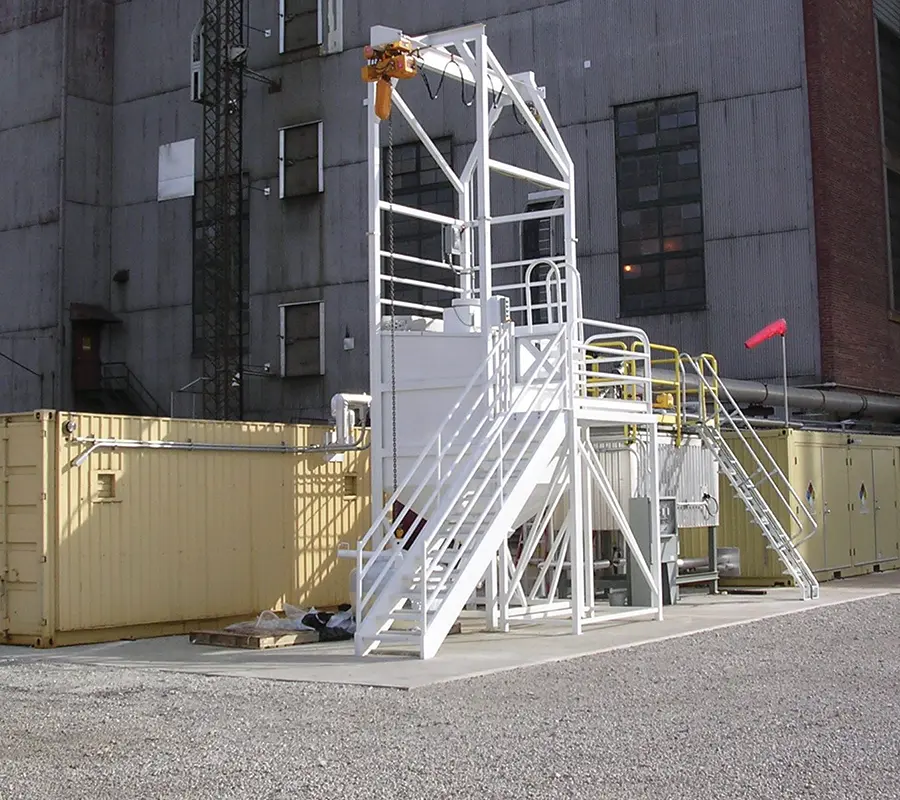
Pelletized sulfur
Pelletized sulfur technology offers significant advantages, particularly for smaller capacity units. It eliminates the need to unload hot molten sulfur from tanker trucks, reducing steam usage and the length of jacketed interconnecting process piping required. Pelletized sulfur can also be shipped on pallets, in supersacks or in silos, and can be stored indefinitely without requiring steam heating. As with molten sulfur it is also non-hazardous, providing greater flexibility in storage location and equipment layout.
Ammonia systems and dual flue gas conditioning
Fuel Tech’s ammonia systems can use either anhydrous or aqueous ammonia as the reagent. Ammonia is effective when combined with sulfur trioxide for a dual flue gas conditioning process. DFGC is required for high-ash coals and fine particulate fly ash, where sulfur trioxide alone is not sufficient.
Supporting our customers to maximize performance of ESPs
Contact Fuel Tech today to discover how flue gas conditioning technology can greatly improve fly ash and fine particle capture in ESPs. Tailored to your specific capacity, fly ash conditioning requirements, and coal type, our solution delivers optimized performance.