

Fuel Tech’s Chemical Technologies boost the efficiency of boilers, furnaces and other combustion systems, while reducing greenhouse gas (GHG) emissions by controlling slagging, fouling, and corrosion. They also help reduce hazardous air pollutants, including mercury, acid emissions and the formation of fine particulate matter (PM2.5).
CHEMICAL TECHNOLOGIES
Overview
Empowering our customers to meet emissions targets
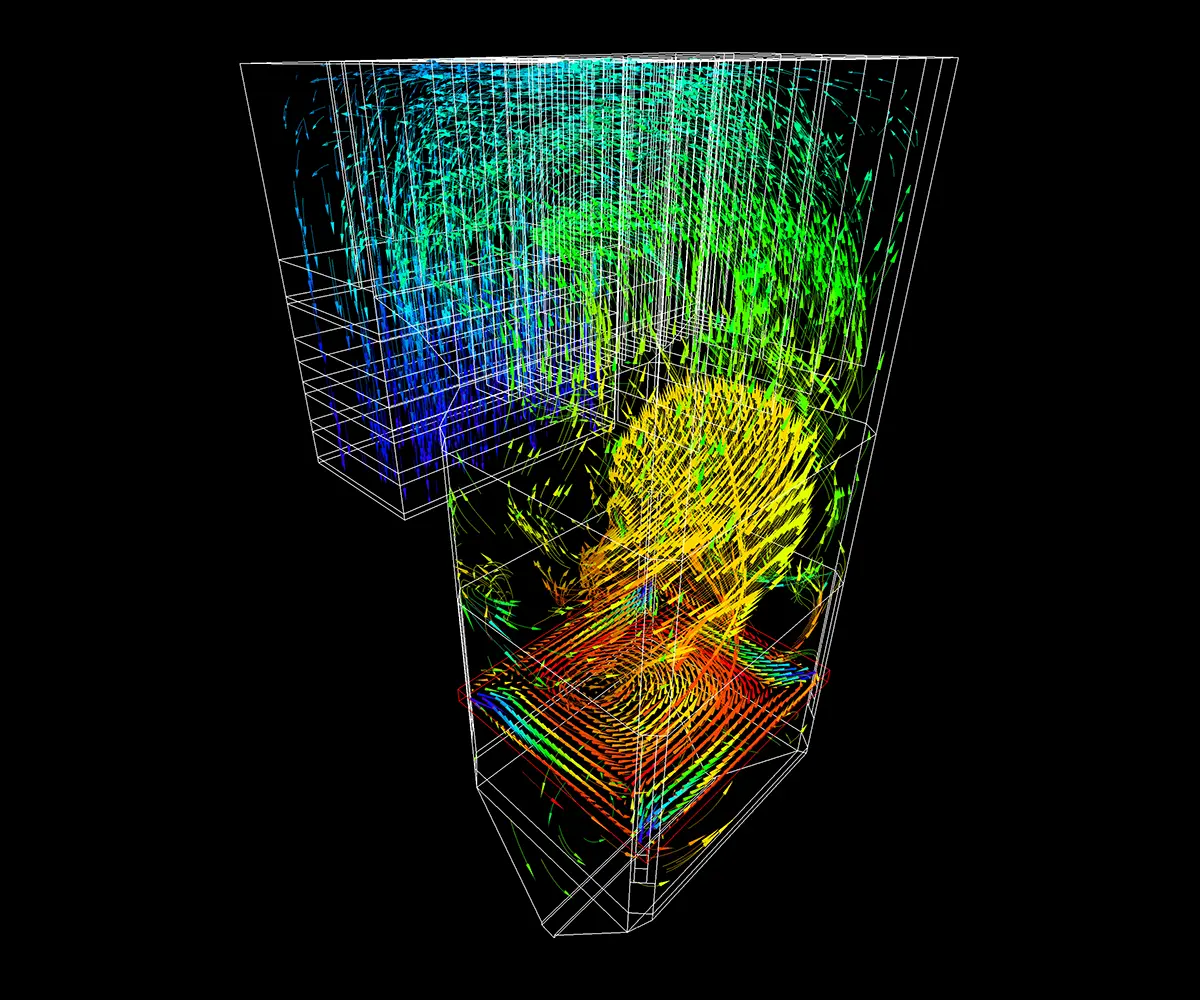
Fuel Tech has chemical solutions to address:
Slagging
Fouling
Corrosion
Sulfur trioxide (SO3) and acid plume issues
Opacity
Ammonium bisulfate (ABS)
Loss on ignition (LOI)
Carbon dioxide (CO2) emissions
Mercury (Hg) emissions
Hydrogen chloride (HCI) emissions
Offering operational, financial and environmental benefits
Service availability and reliability gains
The benefits of Fuel Tech technologies and expertise to power generation operations include the reduced likelihood of service interruptions and performance degradation caused by system component failure or deterioration. TIFI® Targeted In-Furnace Injection™ programs help minimize derates caused by slag shedding, soot-blowing issues and burner anomalies, while also lowering the risk of forced outages by reducing the need for unplanned repairs. In addition, TIFI® programs decrease the frequency of planned outages and shorten downtime by significantly reducing maintenance requirements, including the need for labor intensive de-slagging.
Efficiency gains and heat rate improvements
TIFI programs deliver significant benefits, including improved overall energy efficiency and heat rate from the fuel combustion process. These programs increase MW per unit of fuel input or maintain constant MW with lower fuel consumption. In addition, TIFI can reduce power demand for induced draft and forced draft (ID/FD) fans, lower soot-blowing requirements, and minimize unburned carbon and Loss on Ignition (LOI) in ash. Programs can lower Furnace-exit gas temperatures (FEGT), lower operating oxygen levels, and significantly cut both furnace carbon monoxide and stack carbon dioxide emissions.
Increased fuel flexibility
Power plants require the flexibility to burn lower-quality, cost-effective fuels in their combustion units. Chemical technology programs can address the challenges posed by slag-forming impurities like sodium and iron, which are common in economical coals such as Powder River Basin (PRB) and Illinois Basin (ILB) coals. TIFI programs also help manage the issues associated with higher-sulfur coals.
Maintenance benefits
Our suite of Chemical Technology programs provides numerous opportunities to lower operating costs, including reducing labor requirements and helping avoid costly equipment replacements:
- Reduced cold-end corrosion in air pre-heaters, stacks and ductwork
- Fewer high-temperature tube repairs and replacements due to corrosion and erosion
- Extended life of superheater pendants
- Minimized clinker formation
- Elimination of equipment damage from falling slag
- Reduced air pre-heater fouling
- Lower fireside cleaning costs, including explosives
- Reduced water and air treatment expenses
- Decreased soot-blower maintenance costs